Is Tunisia Unsafe?
Tunisia is often portrayed as unsafe due to past events, but as you'll find out in this article, Tunisia has made significant progress to counter crimes and terrorism.
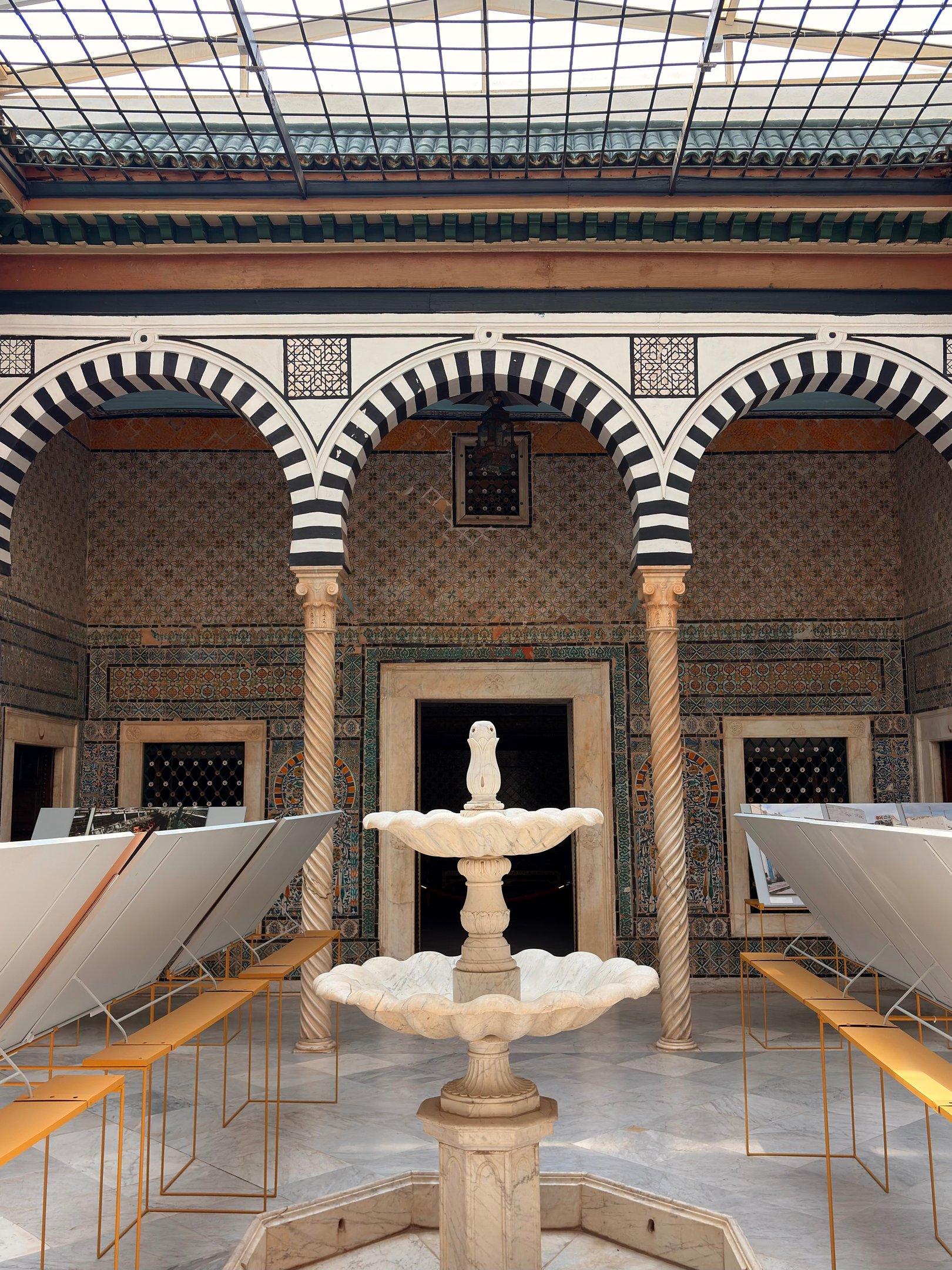
Many tourists still picture Tunisia as unsafe, they remember those old headlines and images of the mass protests and terrorist attacks in 2015. More than a decade later the current reality is far different from what is used to be. Walking through Tunis, Bizerte or Hammamet feels far closer to a normal Mediterranean trip.
Tunisia's reputation as unsafe did not come out of nowhere, the 2010-2011 revolution that toppled then President Ben Ali put the country at the centre of the Arab Spring, scenes of mass protests and clashes with police were broadcasted worldwide. In 2015, attacks on the Bardo National Museum in Tunis and a beachfront in Sousse killed dozens of tourists and security personnel, and were followed by an attack on presidential guards later the same year. The impact on the tourism sector in Tunisia was severe. By early 2016, Tunisia had lost roughly a third of its tourism revenue as visitors stayed away. For many people this still what goes thru their mind when they thin of Tunisia even though the security situation has evolved significantly ever since.
As a response, Tunisia adopted a counter-terrorism and money-laundering law in 2015, and was amended in 2019. It also aligned its framework with a wide range of UN and regional conventions on terrorist financing, aviation security and other serious threats. It also issued an order to freeze the assets of individuals and entities involved in terrorism. It has also adapted a National Strategy to Combat Violent Extremism and terrorism (2023-2027), which aims to ''inoculate'' society against extremism ideology while reinforcing the rule of law, human rights and governance.
Another uncommonly discussed differences between Tunisia and many Western countries is how few guns Tunisians own. Small Arms Survey estimates suggest that Tunisia has roughly one to two civilian held firearms per 100 inhabitants, this places it near the very bottom of the global ranking for gun ownership. In contrast, the USA has around 120 firearms per 100 inhabitants, this means there are more guns than people. While Finland has several dozen firearms per 100 people. This means, guns are not part of the Tunisian daily life.
None of this makes Tunisia risk-free, like many middle-income countries, it faces issues such as petty crimes. Travellers still need to be aware of surroundings, avoid protests and border areas that remain sensitive.
I Hope this made you feel a bit more willing to travel to Tunisia without the constant worry that something bad will happen.